The idea of creating a brief list of mentoring quotes has appeared under the inspiration of a blog which contains the best quotes about outer space and more – Space Quotations – a collection of stargazing quotations and sayings about space.
“A mentor is someone who sees more talent and ability within you, than you see in yourself, and helps bring it out of you.”
It’s interesting how words, said by another people, can change the way we feel about ourselves, and yet it is true…
If you are lacking in motivation at work, for instance, you possibly might consider printing out a poster with a dog chasing a tennis ball, saying, “Go get it!” – and that’s just the top of the iceberg. Finding the right quotation for you is rewarding, as it helps you understand that there is someone else out there, experiencing the very same thing and sharing your emotions; putting it into two words – it makes you feel that you’re not alone.
“The mind is not a vessel that needs filling, but wood that needs igniting.”
How does it work?
The way you think and feel about yourself (including your hopes, believes and expectations) determines everything that is happening to you. Just in the same way as positive words can make you smile when you are down, or a funny quotation can make you laugh – our thoughts interact with the Universe in real-time. This means that, it is better to keep your positive way of thinking instead of getting upset more and keep your head busy with negative thoughts.
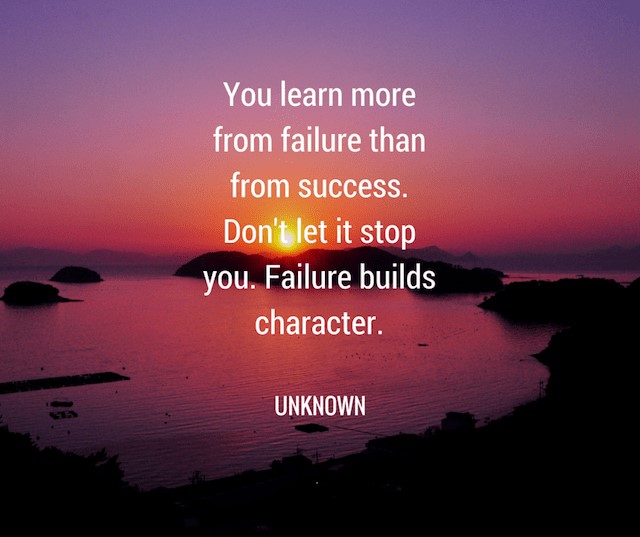
Here is a list of quotations said by the greatest minds of humankind to inspire you
“The greatest good you can do for another is not just to share your riches but to reveal to him his own.”
“If your actions inspire others to dream more, learn more, do more and become more, you are a leader.”
“A leader is a dealer in hope.”
“A leader takes people where they want to go. A great leader takes people where they don’t necessarily want to go, but ought to be.”
“The best teachers are those who tell you where to look – but don’t tell you what to see.”
“A mentor empowers a person to see a possible future, and believe it can be obtained.”
– Shawn Hitchcock
“If you would not be forgotten, as soon as you are dead and rotten, either write things worth reading, or do things worth the writing.”
“Advice is like snow; the softer it falls, the longer it dwells upon, and the deeper it sinks into the mind.”
“If you cannot see where you are going, ask someone who has been there before.”
“Advice is like snow; the softer it falls, the longer it dwells upon, and the deeper it sinks into the mind.”